Reading path / Aircraft systems
How the Major Assemblies Work Together
The aircraft is an integrated structure, not a collection of independent parts. Follow a load, a command or an electrical supply to understand the connections.
Start with the structureA joint is part of a load path
A load path is the route through which forces pass within a structure. In many metal wings, spars provide principal spanwise support, ribs maintain the cross-sectional form, and skin participates in carrying loads.
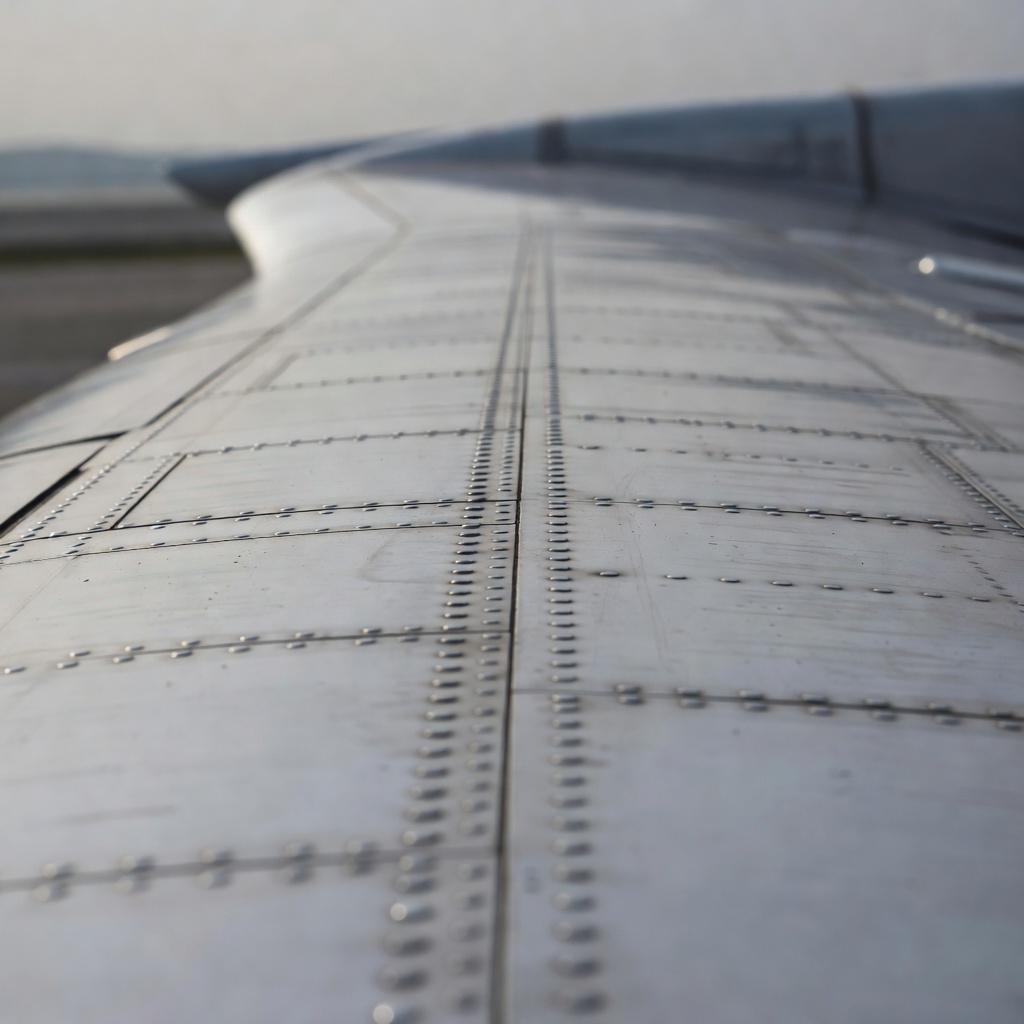
A semi-monocoque fuselage shares loads between its skin and reinforcing members. Composite structures may use different arrangements, bonded joints and integrated components; a visible fastener pattern is therefore not a universal guide to construction.
Inspection access panels allow authorised personnel to reach selected internal areas. Their presence does not indicate that a panel may be opened without the appropriate procedure.
Propulsion transfers energy to airflow
A propeller produces thrust by accelerating air. A piston engine or a turbine engine may supply the shaft power that turns it. A turbofan instead combines a driven fan with a gas-turbine core.
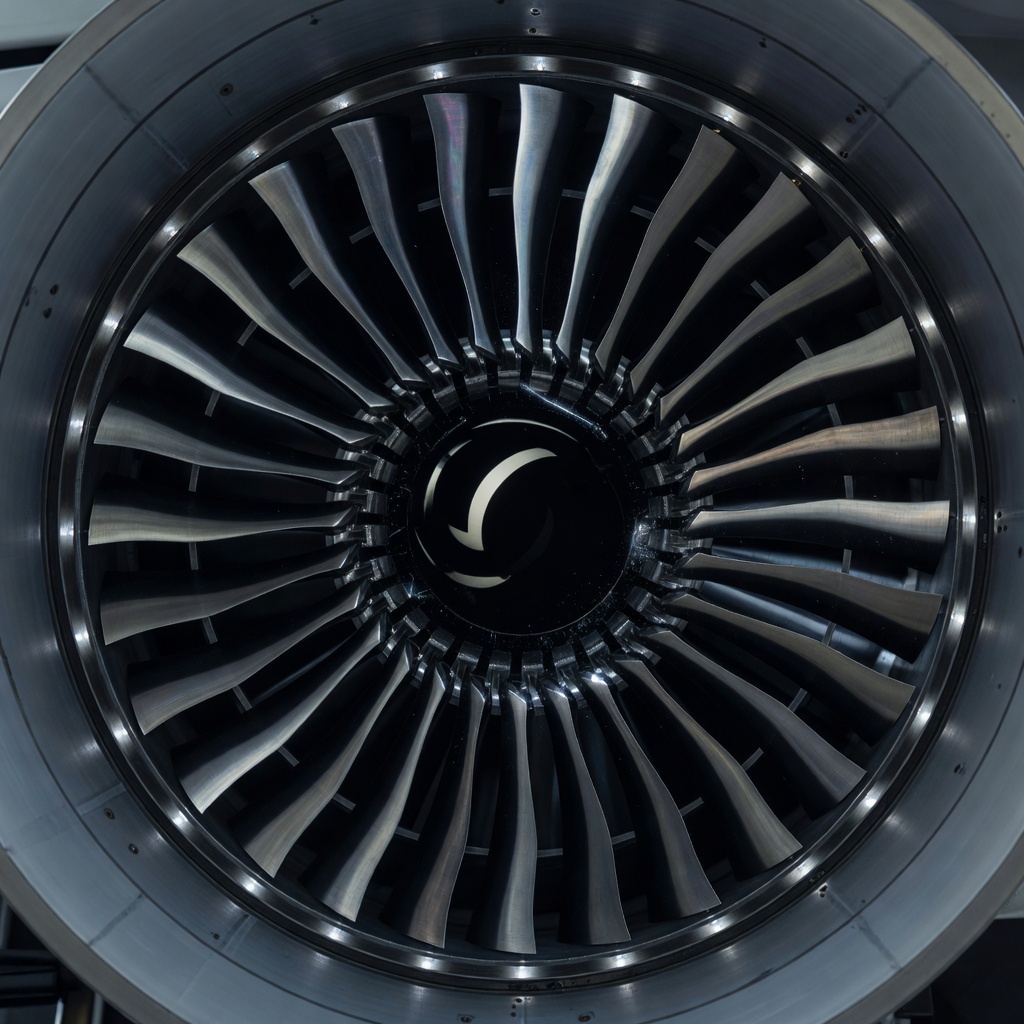
Within a gas turbine, a compressor raises air pressure, fuel burns in the combustion section, and the expanding gas drives turbine stages. Those stages provide power to the compressor and, depending on the design, a fan or output shaft.
Blade shapes, materials and cooling arrangements reflect local operating conditions. An inlet fan blade should not be mistaken for a hot-section turbine blade.
From command to response
Flight controls can transmit commands through mechanical linkages, hydraulic actuators or electrical signalling. An actuator is a device that converts available energy into movement.
In a fly-by-wire system, electrical signals carry control commands to computers and actuators. The control laws—the programmed relationships between inputs and responses—are aircraft-specific.
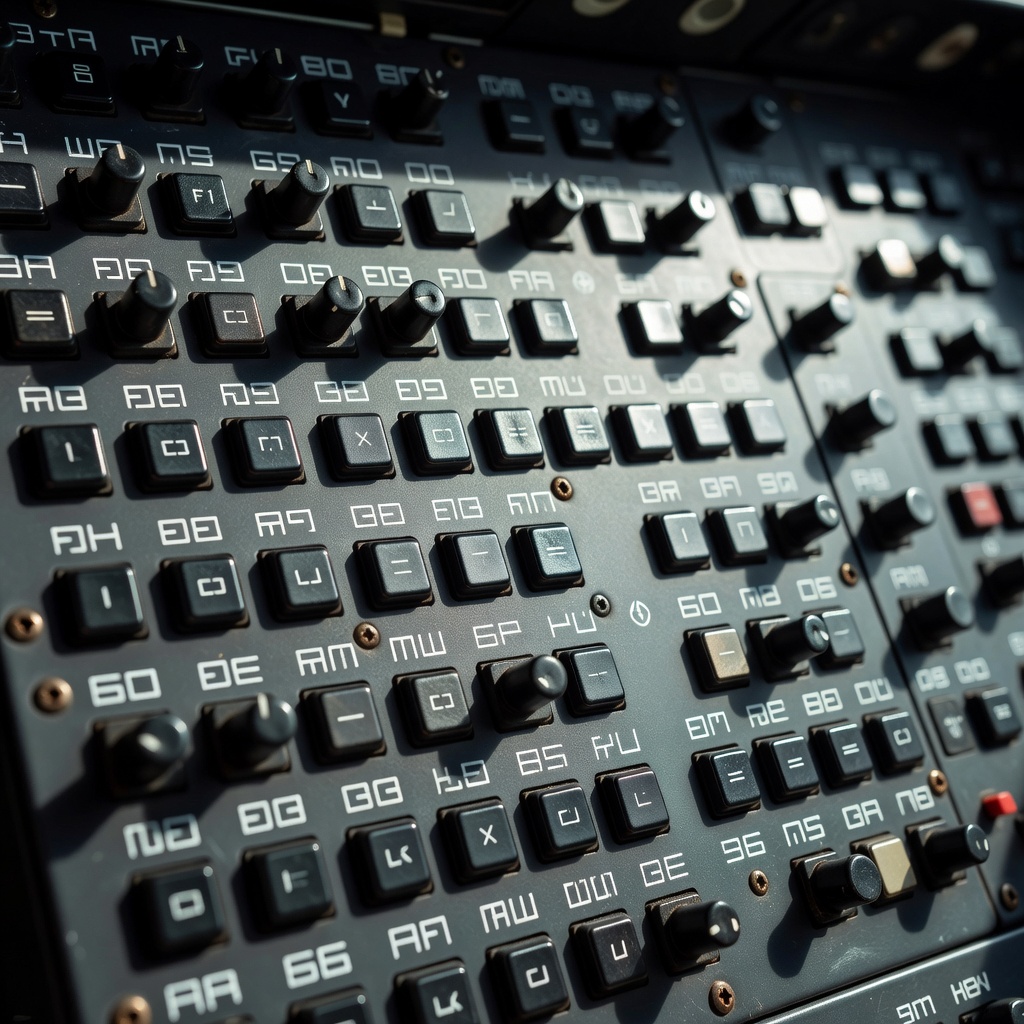
Electrical systems supply instruments and equipment. Depending on the aircraft, generators, alternators and batteries provide power through distribution networks. Redundancy can preserve selected functions after a failure, but it does not mean that every function remains available.
Terminology notes
A working vocabulary
- Airframe
- The aircraft’s structural assembly, generally distinguished from its propulsion system and installed equipment; precise usage varies by context.
- Actuator
- A mechanism that produces movement using hydraulic, electrical, pneumatic or other energy.
- Avionics
- Electronic equipment used for functions such as communication, navigation, monitoring and flight management.
- Redundancy
- The provision of additional components or paths to reduce dependence on a single element. Its effectiveness depends on independence and system design.