Reading path / Aircraft types
Design Choices for Different Missions
Aircraft configuration is an answer to an operational problem. Begin with the intended work, then examine the compromises that make it possible.
Compare the principal rolesLet the mission explain the detail
A long, slender wing can reduce induced drag—the drag associated with producing lift—under suitable operating conditions. This helps explain the high aspect ratio of many sailplane wings.
A transport aircraft must also accommodate payload, fuel, airport infrastructure and practical structural limits. Its wing is not optimised for aerodynamic efficiency in isolation.
No visible feature provides a complete classification. A high-mounted wing, for example, can serve several operational purposes and appears on aircraft with very different missions.
Mission comparison
Different priorities, shared principles
These are broad tendencies rather than specifications for every aircraft in a category. Individual designs may combine roles.
| Role | Primary purpose | Common design emphasis | Important trade-off |
|---|---|---|---|
| Training aircraft | Develop piloting skills | Predictable handling, clear visibility and accessible controls | Instructional suitability may take priority over speed or payload |
| Passenger transport | Carry passengers on scheduled or charter services | Cabin capacity, reliability and route efficiency | Capacity and range must be balanced against mass and airport constraints |
| Cargo aircraft | Move freight | Loading access, floor strength and usable cargo volume | Large doors and reinforced structures add mass and complexity |
| Sailplane | Sustain efficient unpowered flight | Low drag and high aerodynamic efficiency | Long wings bring structural and ground-handling considerations |
Access is an engineering requirement
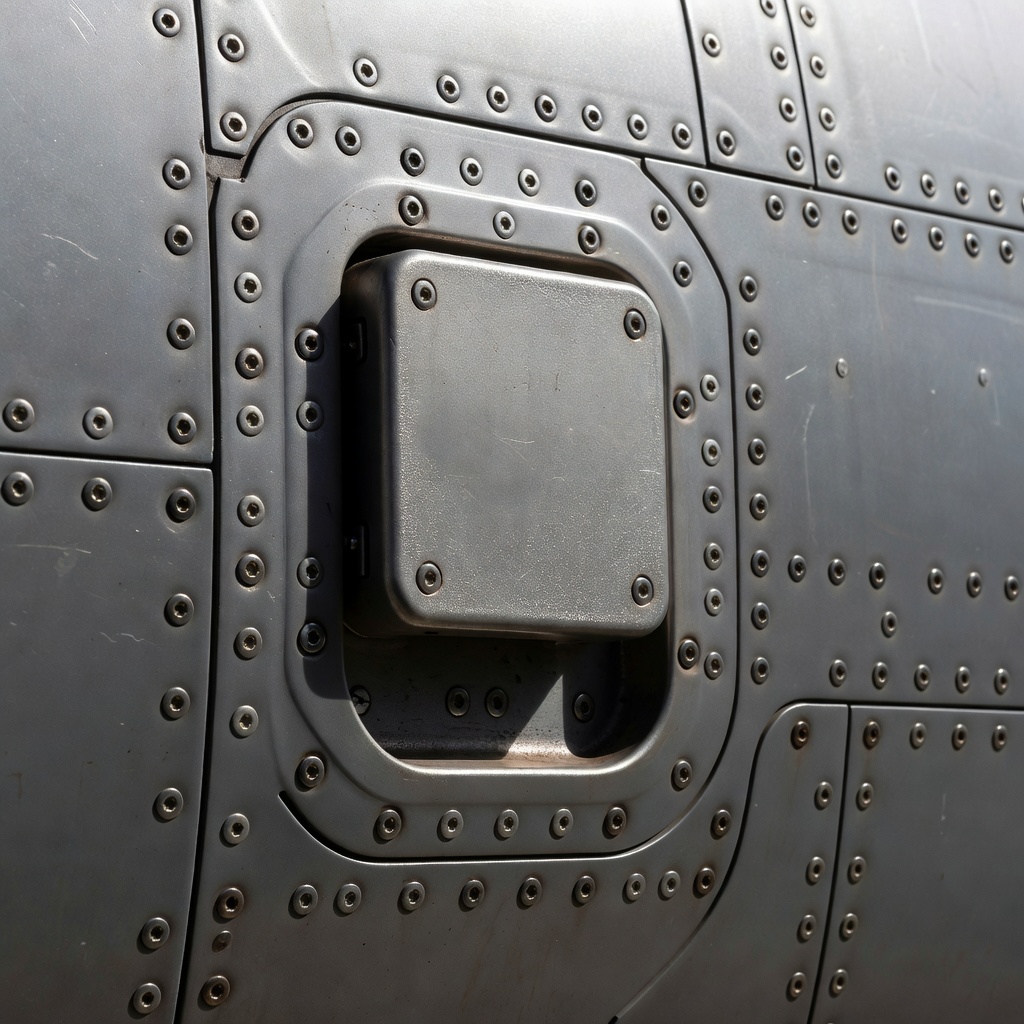
A cargo door is more than an opening. Its surrounding structure must redirect loads, and its closure must satisfy the requirements of the particular aircraft, including pressurisation where applicable.
Likewise, landing gear must support ground operations and absorb landing loads while fitting the aircraft’s configuration. Retractable gear can reduce drag, but adds mechanisms, mass and maintenance demands.
The useful comparison is not “Which aircraft is best?” but “Which arrangement best meets this mission under these constraints?”
Terminology notes
Terms for a fair comparison
- Payload
- The useful load carried for the mission, such as passengers or freight. The precise accounting definition depends on the operating context.
- Range
- The distance an aircraft can travel under stated conditions. Payload, fuel, weather and reserve requirements affect the result.
- Aspect ratio
- Wingspan squared divided by wing area. It describes wing proportions, not overall aircraft quality.
- Configuration
- The arrangement or selected state of aircraft components. The term can describe the basic layout or an operating state, such as flap and landing-gear position.